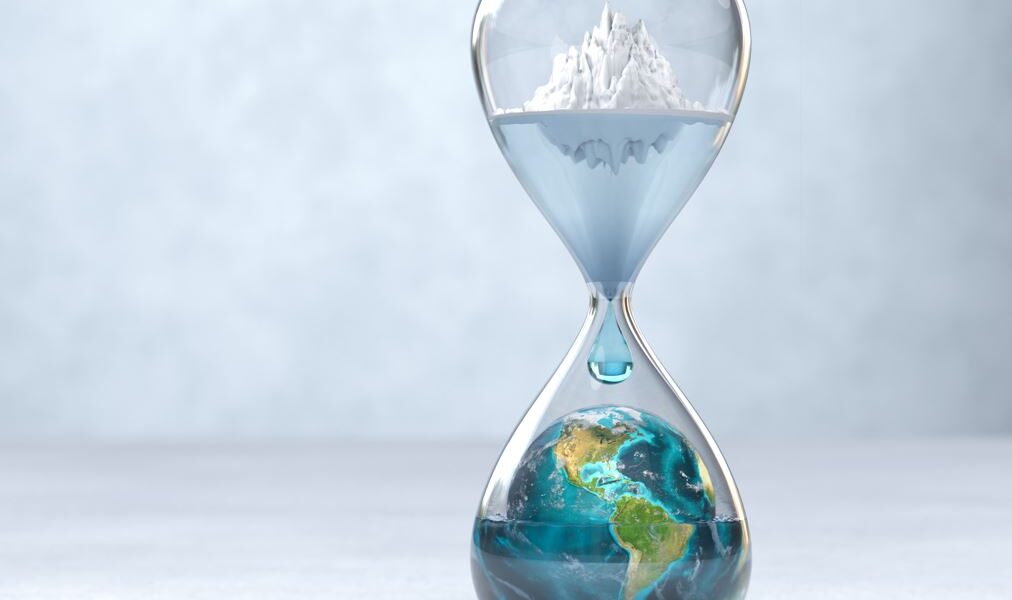
Climatic change has a significant impact on water resources, both in terms of quantity and quality. The effects are widespread and can have far-reaching consequences for ecosystems, agriculture, and human societies. Here are some key effects of climatic change on water:
1. Changes in Precipitation Patterns
- More Intense and Frequent Storms: Climate change can lead to heavier rainfall in some areas, causing floods. This can overwhelm existing water management systems, damage infrastructure, and lead to soil erosion.
- Droughts: Conversely, many regions experience longer and more intense droughts due to shifts in weather patterns. This results in reduced freshwater availability for drinking, agriculture, and industry.
2. Melting of Glaciers and Snowpacks
- Reduction in Snowmelt: Many regions depend on snowmelt for their water supply during warmer months. With rising temperatures, snowpacks are melting earlier in the year, which can cause water shortages in summer and affect hydropower generation.
- Glacial Retreat: In areas like the Himalayas and Andes, glaciers are shrinking rapidly. This loss can reduce the long-term water supply for millions of people who rely on glacier-fed rivers.
3. Rising Sea Levels
- Saltwater Intrusion: Higher sea levels can lead to saltwater intrusion into freshwater aquifers, especially in coastal areas. This makes water sources unsuitable for drinking and irrigation.
- Flooding of Low-Lying Areas: Coastal communities may face increased flooding, which can damage water infrastructure and contaminate freshwater supplies.
4. Changes in Water Availability
- Shifts in River Flow: Warmer temperatures and altered precipitation patterns can change the seasonal flow of rivers. Some rivers may experience reduced flow during dry periods or increased flow during wet periods, making water management more challenging.
- Over-extraction: As water becomes scarcer, there is often pressure to extract more from existing water sources, which can lead to depletion and ecological damage, particularly in arid regions.
5. Impacts on Water Quality
- Increased Water Temperatures: Warmer water temperatures can affect the quality of water in lakes, rivers, and oceans. Higher temperatures can promote the growth of harmful algae blooms, which can reduce oxygen levels and contaminate water supplies.
- Pollution: Extreme weather events like floods can wash pollutants, such as chemicals, waste, and sediments, into water bodies, degrading water quality.
6. Ecosystem Disruption
- Habitat Loss: Changing water temperatures and flow patterns can harm aquatic ecosystems, threatening species that rely on specific water conditions. For example, many fish species are sensitive to temperature changes and may not survive in altered water conditions.
- Loss of Wetlands: Wetlands, which act as natural water filters, can be lost due to rising sea levels, droughts, or altered rainfall patterns. This decreases the ability of natural systems to purify water.
7. Impact on Agriculture
- Water Scarcity for Irrigation: Changes in water availability due to climatic shifts can reduce the amount of water available for irrigation, threatening food security, especially in regions that rely on consistent water supply for crop production.
- Flooding of Agricultural Lands: Excessive rainfall or flooding can wash away crops, damage irrigation infrastructure, and degrade the quality of the soil.
8. Water-Related Disasters
- Flooding: Climate change intensifies the frequency and severity of flooding due to heavier rainfall and sea-level rise. Floods can destroy homes, infrastructure, and farmland, disrupt access to clean water, and increase the risk of waterborne diseases.
- Hurricanes and Cyclones: Stronger and more frequent hurricanes or cyclones can lead to coastal flooding, infrastructure damage, and contamination of freshwater supplies.
9. Impact on Human Health
- Waterborne Diseases: Warmer temperatures and flooding increase the risk of waterborne diseases like cholera and dysentery. Contaminated water supplies during extreme weather events lead to outbreaks of illness.
- Displacement of Populations: Rising sea levels, droughts, and floods can force people to leave their homes, creating “climate refugees” who may struggle to access clean water in new locations.
10. Hydropower Production
- Reduced Water Flow: Many countries rely on hydropower as a source of renewable energy. With changing water availability and altered flow patterns, the energy production potential of hydropower plants may decrease.
- Increased Competition for Water: As water becomes scarcer due to climatic changes, competition for water resources between hydropower production, agriculture, and drinking water will intensify.
In conclusion, climate change has profound implications for water, influencing both its availability and quality. Adaptation measures, such as improved water management, infrastructure development, and conservation efforts, are crucial for mitigating these impacts and ensuring sustainable access to water for future generations.