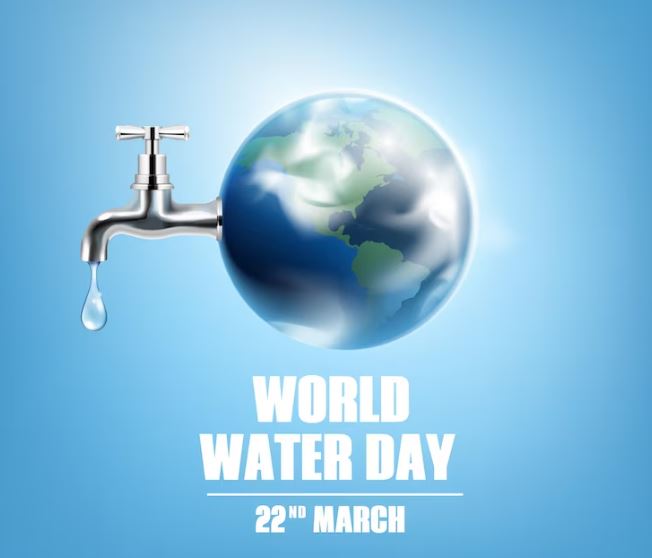
Water is a precious resource, and conserving it is essential for both environmental sustainability and personal responsibility. By adopting mindful habits and making simple changes to our daily routines, we can significantly reduce water wastage. Here are some practical tips for conserving water:
1. Fix Leaks: A dripping faucet can waste a surprising amount of water over time. Regularly check and repair any leaks in your home, including faucets, toilets, and pipes.
2. Install Water-Efficient Fixtures: Consider replacing older faucets, showerheads, and toilets with water-efficient models. Low-flow fixtures use less water without compromising functionality.
3. Collect Rainwater: Install rain barrels to collect rainwater for use in gardening and landscaping. This reduces the need for tap water and helps prevent runoff.
4. Use a Broom, Not a Hose: Instead of using a hose to clean driveways and sidewalks, use a broom to sweep away debris. This simple change can save a significant amount of water.
5. Shorten Shower Times: Aim for shorter showers to reduce water consumption. Consider using a shower timer as a reminder to keep showers efficient.
6. Turn Off the Tap: While brushing your teeth or washing your face, turn off the tap when you’re not actively using water. This can save gallons of water per session.
7. Full Loads Only: Whether you’re using a dishwasher or a washing machine, wait until you have a full load before running the appliance. This maximizes water efficiency.
8. Opt for a Watering Schedule: Water your garden and plants during the early morning or late afternoon when evaporation rates are lower. This ensures that plants receive the water they need without excessive waste.
9. Mulch and Compost: Apply mulch to your garden beds to retain moisture and reduce the need for frequent watering. Composting also improves soil structure, helping it retain water more effectively.
10. Use a Pool Cover: If you have a swimming pool, use a cover when it’s not in use. This prevents water evaporation, reducing the need to top up the pool as often.
11. Limit Lawn Watering: Lawns require a significant amount of water to stay green. Consider allowing your lawn to go dormant during dry periods, or replace part of it with drought-resistant plants.
12. Reuse Household Water: Collect water from activities like rinsing fruits and vegetables or waiting for the shower to warm up, and use it to water plants or flush toilets.
13. Upgrade Appliances: When it’s time to replace appliances like dishwashers and washing machines, choose energy-efficient models that use less water.
14. Educate Others: Spread awareness about the importance of water conservation among your friends, family, and community. Collective efforts can make a substantial impact.
15. Support Water-Saving Policies: Advocate for water conservation initiatives in your community and support policies that prioritize sustainable water management.
By incorporating these simple strategies into your daily routine, you can contribute to water conservation efforts and play a part in preserving this vital resource for future generations.